Posted in 泰國菜 (Thai Cuisine), 低溫慢煮機 (Sous Vide cooker)

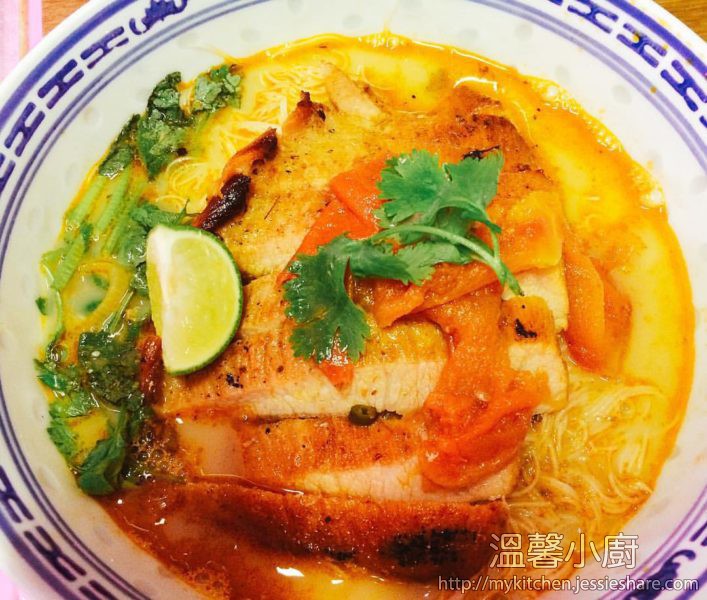
簡單冬蔭豬頸肉湯米粉 (Simple Tom Yum Soup Rice Noodle with pork jowl / Tom Yum Kut Teh)


這個應該是作者在香港生活的最後一個食譜吧。 待作者在大馬生活穩定後,一定再為大家分享多些不同的食譜。

I think this is the last recipe I am sharing while living in Hong Kong.  I will share more special recipes later when I’m settled down in Malaysia.


作者一向認識的冬蔭湯也是用蝦及草菇煮成,所以我但在香港大多說冬蔭功,當中的「功」在泰文是 goong, 是蝦的意思, 一般只會說冬蔭。 但在泰國卻是很多配搭,可以是豬肉、雞肉或牛肉,亦有很多其他冬蔭做法,而主要材料也是香茅、南薑、檸檬葉、魚露、辣椒、青檸汁。至於冬蔭醬,其實當地人比較少用,他們主要用新鮮香料再加入一種辣椒醬,所以看上去是清湯的; 但在世界其他地方,冬蔭湯主要味道來源是冬蔭醬,因為味道比較濃及方便。

As I know like most of the people, Tom Yum only added shrimp and mushroom, we called tom yum goong, but the word “goong” means shrimp, so we should call tom yum only.  Actually, you can find Tom Yam with meats as well in Thailand household and variety kind of tom yum too.  The main ingredients for Tom Yum are lemongrass, galangal, kaffir lime leaves, Chilli, fish sauce and lime juice, therefore, they are mostly clear broth instead red one.  Tom Yum paste only widely use outside Thailand, because it enhance flavour and more convenient.


作者所住的小島上,很多泰國人聚居,不時也有泰國人在島上開小餐館,因此認識了比較家庭式的冬蔭食法,不太似我們在城市裏的餐廳味道,但感覺很地道,配搭肉類也是不錯的。

In the island that I’m living, there are many Thai people living here too, sometimes they will open a small restaurant to serve localized Thai cuisine, some dishes are not famous in popular Thai restaurant, it’s not home cook style one, so I learn this from them too.


最近作者所住的小島又有泰國人開了新食品店,店主是泰國人,親自回泰國入貨的,所以介紹了一款冬蔭醬,她指餐廳也是用這個品牌; 當作者試過後,真的很不同,以前從超市買回來的冬蔭醬,只有鹹味,用一包也沒有冬蔭那種酸辣的味道,然而用了這個品牌,只需要2湯匙已經足夠一鍋2-3人份量的冬蔭湯底味道了。

Recently, there’s a Thai grocery store opened in the island, it’s also operated by Thai people and import goods themselves directly from Thailand.  She introduced a brand of Tom Yam paste for me which also widely used in Thai restaurants too.  After I tried, it’s really unbelievable taste too, compared with previously bought from supermarket, it’s only taste salty but without hot, spicy and sour character that Tom Yam should be, but this only use 2 tablespoons which enough flavour to serve 2-3 pax of soup.


這次真的簡單版,作者也只是買來超市預醃的泰式豬頸肉吧了,但用了低溫慢煮方法,肉質比較鬆軟。

This is very very simple recipe that I also bought a pre seasoned meat from supermarket, but using sous vide method that meats are tender and juicy.


材料 (Ingredients) :
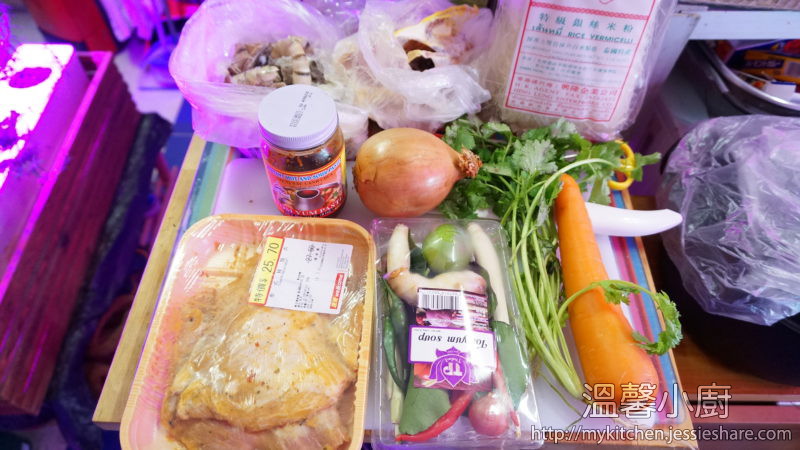
 

泰式豬頸肉 (Thai style pork jowl) – 1包 (1 pack)


冬蔭醬 (Tom Yam paste) – 2湯匙 (2 tablespoons)


冬蔭香料包 (Tom Yam herbs pack) – 1包 (1 pack)


蝦皮/蝦殼 (Shrimp shells) – 8-10 隻 (8-10 pieces)


雞湯 (Chicken stock) – 1公升 (1 Liter) [做法參考 : http://mykitchen.jessieshare.com/?cat=98]


番茄 (Tomato) – 1-2個 (1-2 pcs)


魚露 (fish sauce) – 適量 (as taste)


青檸汁 (Lime jucie) – 適量 (as taste)


菜油 (Vegetable oil) – 少許 (little)


椰奶/淡奶 (coconut milk / evaporated milk) – 適量 (as taste)


泰國米粉 (Thai Rice noodle)


草菇/蠔菇 (straw mushroom / oyster mushroom)


芫茜 (Coriander) – 適量 (for garnish)


做法  (Method):


1. 先預熱低溫慢煮器為68度
Preheat your sous vide circulator at 68 degree celsius


2. 把豬頸肉放入真空袋並開始煮2.5小時
Put the meat into vacuum bag and start cooking for 2.5 hours


3. 香茅扁切斷、紅蔥頭切片、南薑切片 (如喜歡比較辣,可以把辣椒切段)
cut lemongrass into 2cm pieces, shallots and Galangal cut into small pieces (If you wanna more spicy, you can also add some chilli pieces too)
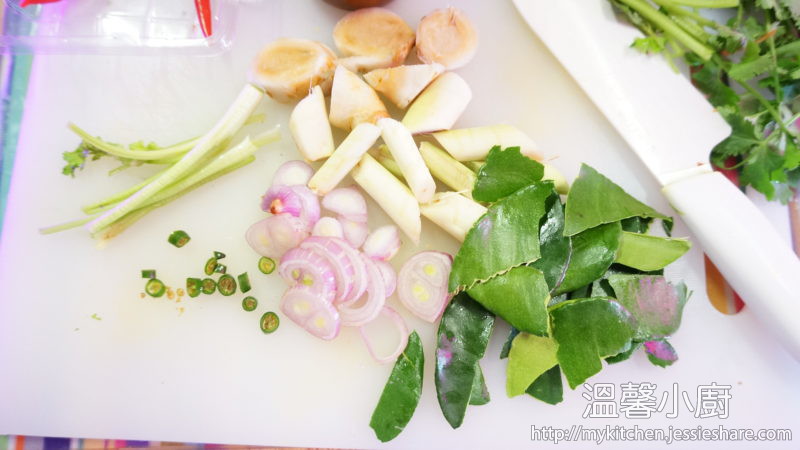
 

4. 準備一個鍋,下油,放入香茅、紅蔥頭、南薑炒香
Prepare a pot, add some oil, put lemongrass, shallots and Galangal, stir fry a while


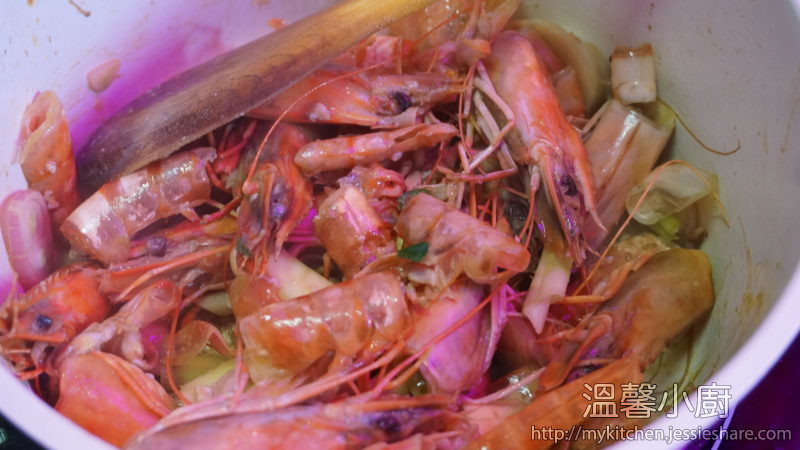
5. 加入蝦殼再炒香
Add shrimp shells and stir fry until fragrance
 

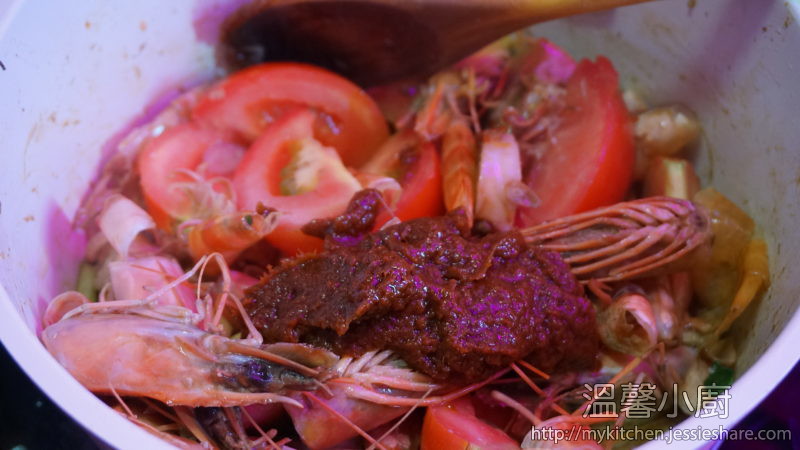
6. 再加入番茄及冬蔭醬,再炒至冬蔭醬出味
Add tomato and tom yum paste, and stir fry again
 

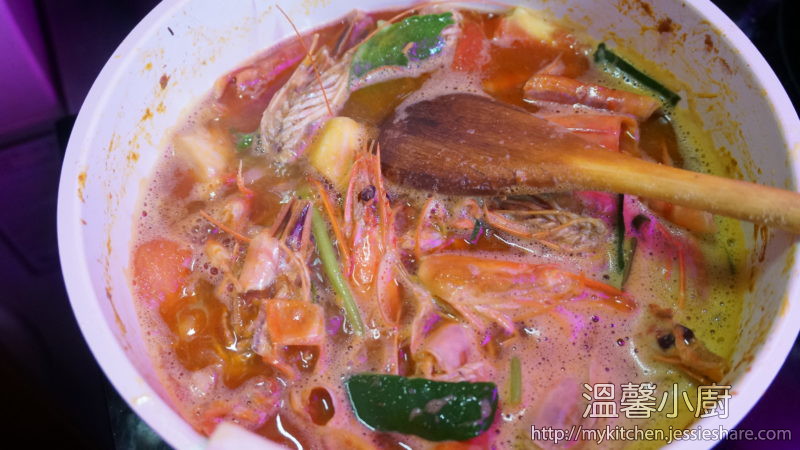
7. 入雞湯,並把檸檬葉用手撕碎與草菇一起放入湯內, 煮10分鐘,先關火
Add chicken stock, kaffir lime leaves and mushroom into the pot and let it boil for 10 minutes and set aside
 

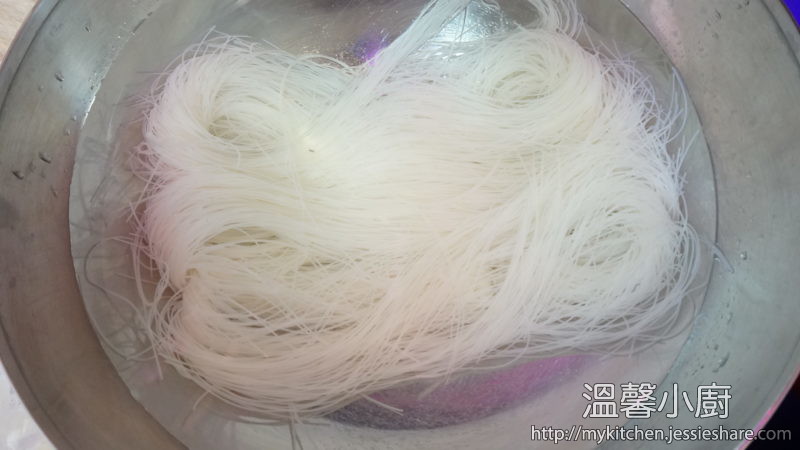
8. 米粉先用水浸軟,備用
Soak the rice noodle into a water until soft and set aside
 

9. 回到豬頸肉,把煮好的豬頸肉汁倒回冬蔭湯內
Back to the meat, pour the excess sauce into the pot


10. 豬頸肉用焗爐或火槍或平底鍋,煎至表面少許焦就可以了
Either sear the meat in the sauce pan or use blow touch to seal the surface until brown
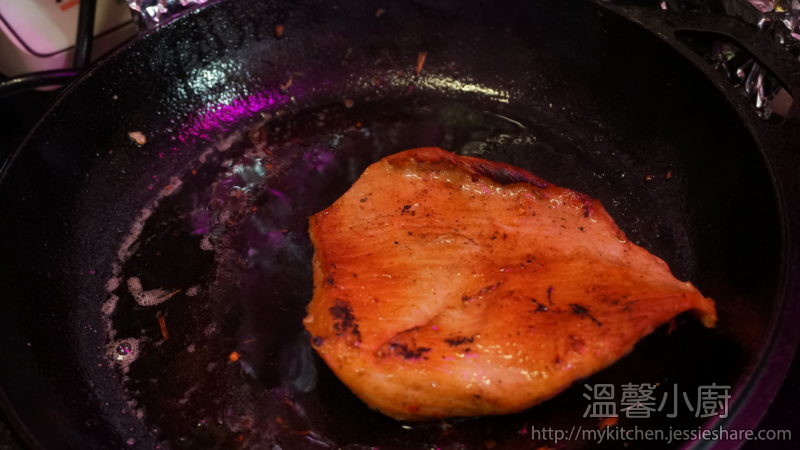
 

11. 放涼一點後切片備用
After cool down, cut into small pieces


12. 再次煲滾冬蔭湯後,關火,加入魚露及青檸汁, 最後加入椰奶, 伴勻,試味,就可以了
Back to tom yum soup, boil it again, add fish sauce, lime juice and coconut milk, mix it well and taste it
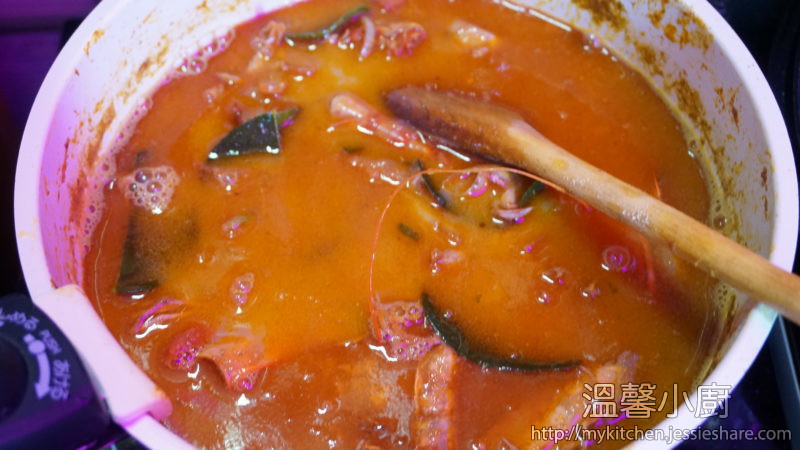
 

13. 米粉煮5分鐘就可以了。
Boil a pot of water, and cook the rice noodle for 5 minutes


14. 準備好碗,放入米粉,把豬頸肉放上層
Prepare a bowl, put the rice noodle in and put the meat on the top


15. 小心地倒入冬蔭湯底,加入芫茜就完成了。
Pour the tom yum soup in and garnish with coriander, finished.


[wpedon id=”1981″ align=”left”]

Posted in 牛肉 (Beef), 肉類 (Meat), 越南菜 (Vietnamese Cuisine), 低溫慢煮機 (Sous Vide cooker)

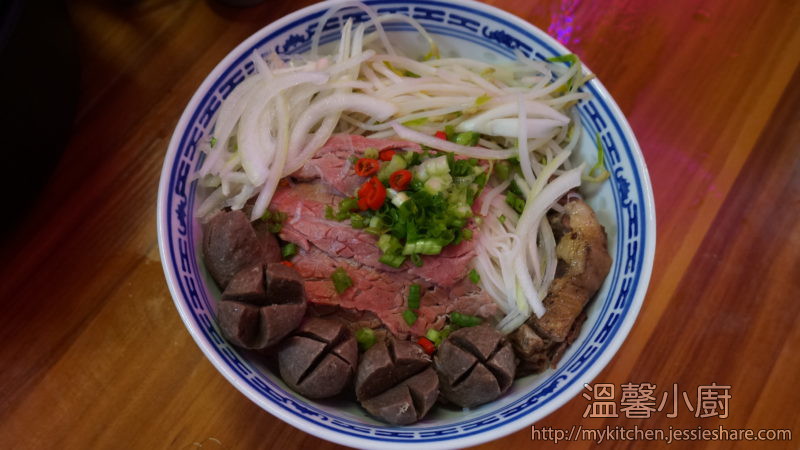
[原創食譜 Original Recipe] 越南生熟牛湯河 – 低溫慢煮版 (Vietnamese Pho Bo – Sous Vide version)


這個麵食應該不陌生吧。作者很喜歡食,當然以前一定出街才吃,現在不外出用餐,但又很想吃啊。由於作者沒有什麼慢煮鍋,又只得電磁爐,想做也不能做,但自試驗過海南雞的做法,今次作者大膽地嘗試長時間,用低溫慢煮的方法來做一個越南牛湯底,幸好地完全沒有問題,所以今次就算第一次試做,但也可以分享做法給大家。

I think I don’t have to introduce this vietnamese noodle, you should knew about it, nowadays, since I don’t like to go out for dining, so I just try to make what I want to eat.  However, I don’t have crock-pot and just using induction cooker, so what I can do is try using sous vide method. I have tried to make Hainanese chicken before using same method, so this time, I also try the same, but higher temperature and longer time, luckily, there’s no problem at all, the procedure overall are smooth, so I can also write the recipe for you.


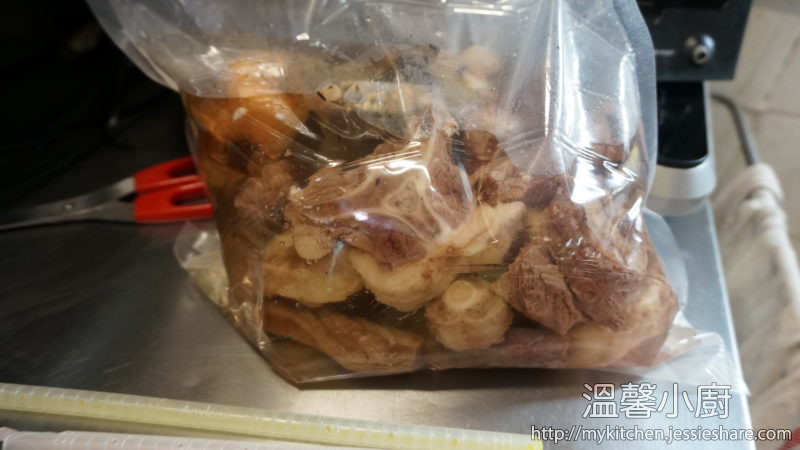
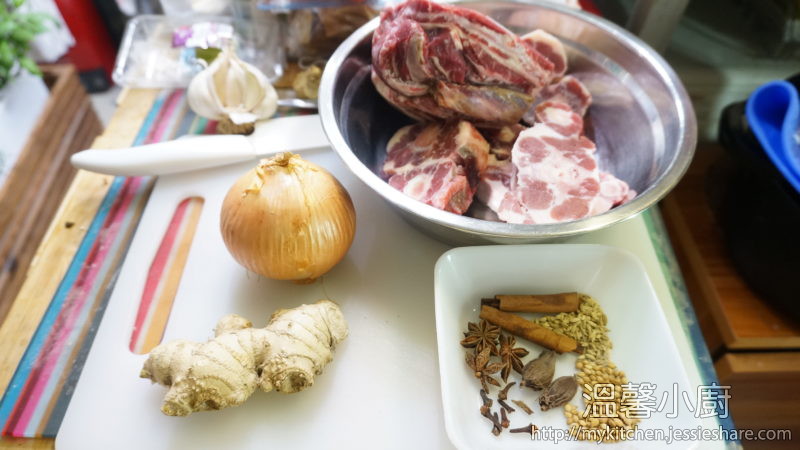
但作者住的小島沒有牛骨,所以今次用了牛肋條及牛尾來煮,讀者可以買到牛骨是最好的,但其實什麼骨也可以吧。

Practically, using marrow bone is the best choice, unfortunately, the island i’m living without butcher, so I can only brought oxtail and short ribs instead, but any kind of bone also can cook it too.


材料 (Ingredients):

牛湯底 (Vietnamese Beef stock)  :


牛骨/牛尾/牛肋條 (marrow bone/oxtail/short ribs) – 2磅 (2 pounds)

洋蔥 (onion) – 1個 (1 pc)

薑  (ginger) – 1件 (1 pc)

芫茜 (coriander) – 1-2條 (1-2 strigs)

茴香籽 (Fennel seeds) – 3湯匙 (3 tablespoons)

芫茜籽 (Coriander seeds) – 3湯匙 (3 tablespoons)

草果 (Black Cardamon) – 2個 (2 pcs)

桂皮 (Cinnamon) – 4片 (4 pcs)

八角 (Star Anise) – 5個 (5 pcs)

熱水 (Boiled water) – 1500ml

冰糖 (rock sugar) – 10-15g

魚露 (fish sauce) – 4湯匙 (4 tablespoons)


湯河材料 (Vietnamese noodle ingredients) [份量隨個人喜好 –  potions depends on personal preference]


越南河粉/金邊粉 (Vietnamese noodles)

牛肉 (beef slices)

牛丸 (beef ball)

芽菜 (bean spouts)

洋蔥 (Onion)

金不換 (Thai basil)

薄荷葉 (Mints)

蔥 (spring onion)

芫茜 (Coriander)

辣椒 (Chilli)


做法 (Method) :


1. 先準備湯底材料 :把所有牛骨汆水,大約5分鐘左右,盛起後在水喉下清洗乾淨,備用
Prepare beef stock first : Put all the bones into boiling water, let it run out all the dirts for around 5 minutes, then use trap water to clean it well, set aside


2. 湯底香料先用平底鍋,不用下油,炒至所有香料出味,放涼後,放入一個茶袋,備用
Use a sauce pan, put all the spices into it and stir it until smell fragrance, then let it cool down a bit and put all the spices in a tea bag, set aside


3. 洋蔥及薑再平底鍋煎至焦香,如果讀者用明火,可以把直接放在爐上燒至焦香就可以了
Use the same sauce pan, roast the onion and ginger until brown; if you are using open fire, you can put the the whole onion and ginger directly into the fire and grill until brown


4. 預熱低溫慢煮器至90度,建議倒入剛煲好的水,那麼預熱時間可縮短很多
Preheat your sous vide cooker for 90 degree celsius, suggest to pour in hot boiled water to shorten the preheat time


5. 準備好低溫慢煮袋,把之前所有準備好的湯底材料放入袋內,倒入熱水,小心地用anylock鎖好,再用真空機封口
Prepare a large thick layer sous vide bag, put all the ingredients in, pour in warm water, secure the bag using anylock, then seal it well


6. 到90度後,放入湯袋,開始慢煮16小時
When the water reach 90 degree, put the bag in and start cooking for 16 hours


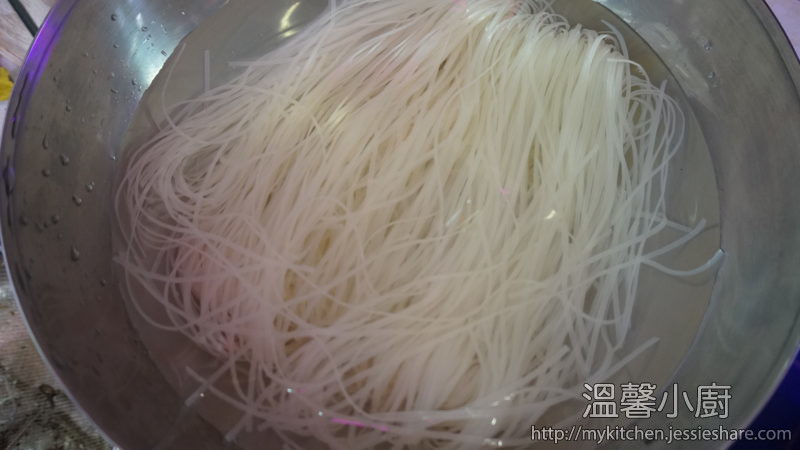
7. 翌日在用餐前,先把河粉用水浸至軟身
Next day preparation : soak the dry noodle until soften


8. 芽菜摘走根部,浸水備用
Take off the root of bean spouts, soak in water and set aside


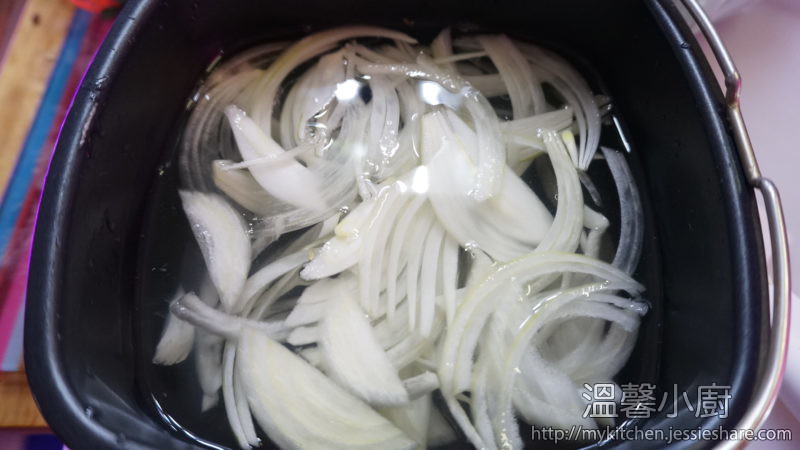
9. 洋蔥切薄片,浸水,備用
slice the onion into thin slice, and soak into water, set aside


10. 芫茜、蔥及辣椒切碎,備用
chop the coriander, spring onion and chilli, set aside


11. 牛肉切片,備用
Slice the beef into very thin slices, set aside


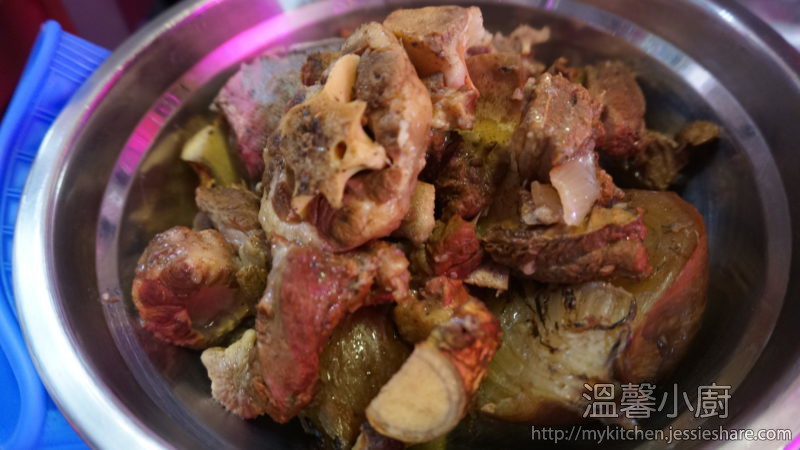
12. 回到湯底,煮好後,準備一個湯鍋,先把湯小心地倒出,湯料用另一個大碗盛著, 慢慢地分出最上層的肥油
Back to the stock, carefully pour out the stock into a pot, then put the ingredients into a bowl, trim off the fat on the top layer


13. 先滾起湯底,加入芫茜、魚露及冰糖攪拌至冰糖溶化,試味後保溫備用
Take the stock boiling again, add coriander, fish sauce and rock sugar, mix well and taste it, then keep the stock warm


14. 用滾水煮好河粉,放入碗內
On the other hand, use another pot to cook the noodle until soft, then put it into a bowl


15. 用一鍋水,灼芽菜,放在河粉上
Use the same pot and cook the bean spouts for a short while, then put at the top of the noodle


16. 牛肉逐一放在牛湯內灼一下,只是一下就盛起,放在河粉上
Use the beef stock, to just put the beef slice in and cook not more than 30 second, then put it at the top of the bowl


17. 牛丸在牛湯內煮熱,放在河粉上
Beef ball also cook using beef stock, and put into the bowl too


18. 洋蔥及辣椒也放上
Then put the onion slices and chilli as well


19. 小心地倒入牛湯
And pour in the beef stock


20. 最後放上金不換、薄荷葉、蔥及芫茜就完成了。
Finally, put the thai basil, mints, spring onion and coriander for garish, finished.


[wpedon id=”1981″ align=”left”]
Posted in 肉類 (Meat), 雞類 (chicken), 印度菜 (Indian Cuisine)

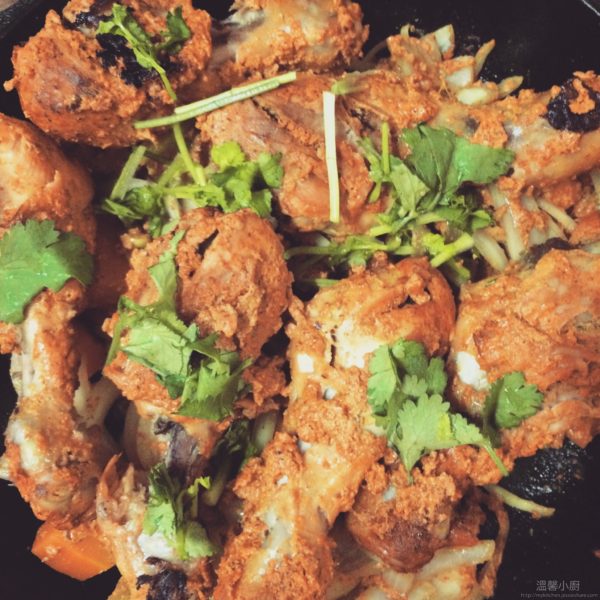
印度燒雞 (Tandoori Chicken)

img_7811


這個菜應該不用介紹吧,在世界各地有印度餐廳的地方也會有這道菜,很多人接觸的第一道印度菜就是這個。

If you went to Indian restaurant before, you must knew this dish, you can find this in any Indian restaurants around the world, this is the first dish you will eat at the first time.


除了炸物外,其實印度菜也很健康,全部也是香料及香草來煮成的,而每個菜式當中包含十多種香料,對健康有很大的幫助。

Although, there so many deep fried foods in Indian, but for main cooking dishes, Indian cuisine is practically a healthy diet, because for every dishes, they are mixed with various type of spicies and herbs, it’s really good for health.


這道菜先要做一個其中需要的混合香料 (Garam masala),可以做多一些,那麼不用每次做,因為要十多種香料來混。此外,由於印度人每個家庭也會有自家口味,所以這個只是本人的口味,當讀者了解不同的香料後,可自行調配不同的口味吧。還有,印度人一般也沒有份量,所以請自行判斷味道。但如果讀者在相熟的香料店找到現成的也可以的。

First of all, you have to blend Garam masala which is one of the ingredients for this dish, you can make a little bit more for storage。Since there are different taste for every family, so this is just my taste of garam masala, you can try to mix yours when you understand indian spices.  Also, there’s no measurement for every spices and herbs, therefore, please try taste yourself.  But if you can find this instant mixed spices at your spices store, you can buy too.


材料 (Ingredients) :


芫茜籽 (Coriander seeds)

綠豆蒄 (Green Cardamom)

黑豆蒄/草果 (Black Cardamom)

小茴香 (Cumin seeds)

大茴香 (Fennel seeds)

桂皮 (Cinnamon sticks)

丁香 (Gloves)

黑胡椒 (Black peppercorn)

月桂葉 (Bay leaves)

肉豆蒄 (Nutmeg)

八角 (Star Anise)

薑粉 (Dry ginger)


做法 (Method):


1. 把所有香料逐一單獨在平底鍋上炒1-2分鐘,不要炒多於2分鐘,否則香料變苦味
Prepare a sauce pan, stir every spices one by one in very low heat for 1-2 minutes, not more than 2 minutes, otherwise it will becomes bitter.


2. 炒香完成的香料放在一個器皿上放涼一段時間,才可放入碎香料器打碎至粉狀就完成。
Put in a large bowl after finished and let it cool down, then use a grinder and grind all spices until powder form.


現在正式做印度燒雞吧。

After blended Garam masala, we can go for the chicken now.


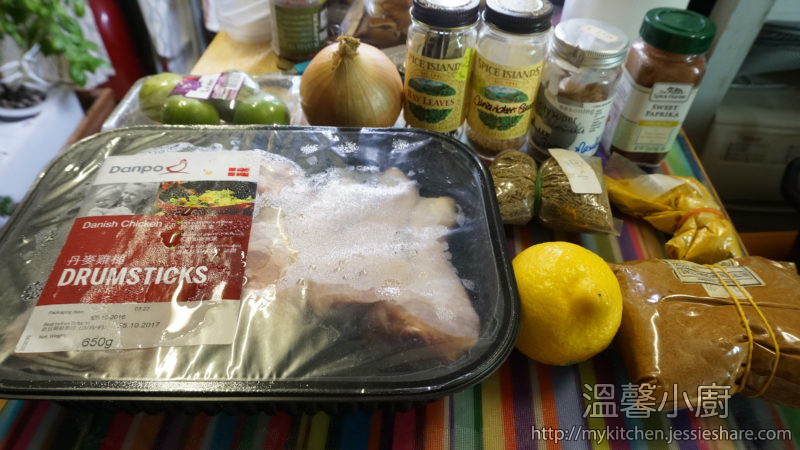
材料 (Ingredients) :

雞槌或雞肶 (Chicken drumlette or chicken whole legs)

洋蔥 (Onion)

紅辣椒粉 (Red Chilli Powder)

檸檬汁 (Lemon juice)

鹽 (salt)

芫茜籽粉 (Coriander powder)

薑蒜膏 (Ginger garlic paste)

Garam Masala

小茴香粉 (cumin powder)

黃薑粉 (Tumeric)

月桂葉 (Bay leaves)

黑胡椒粉 (Black pepper powder)

乳酪 (Yogurt)

Chaat Masala

青檸汁 (Lime juice)

植物油 (vegetable oil)

新鮮芫茜 (fresh coriander )


做法 (Method):


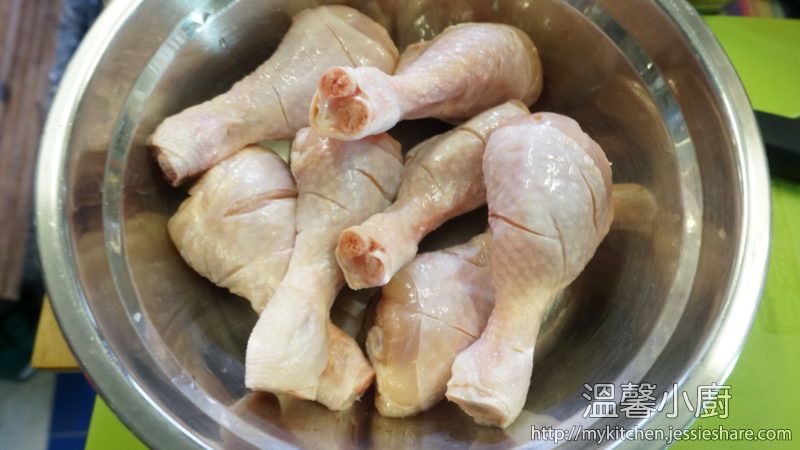
1. 用刀在雞肉上鎅開幾刀,用意是醃肉時入味
Cut few slits in every pieces, it’s used for easy marinating


2. 準備一個小碗,把鹽、檸檬汁及紅辣椒粉混合,把混合好的醬塗在雞肉的鎅口上,醃15分鐘
Prepare a small bowl, mix with red chilli powder, lemon juice and salt, and then put the sauce into each slits and marinate for 15 minutes


3. 預熱焗爐200度
Preheat the oven to 200 degree Celsius


4. 準備一個大碗,把其餘的材料混合,如果讀者喜歡比較紅的色彩,可以加入食用紅色素
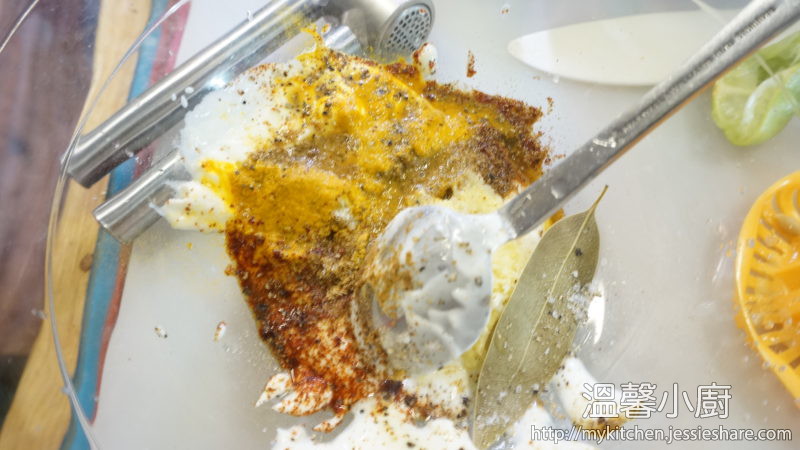
Prepare a large bowl, mix all other ingredients into it, if you would like red colour in the chicken, you can put red food colouring on it


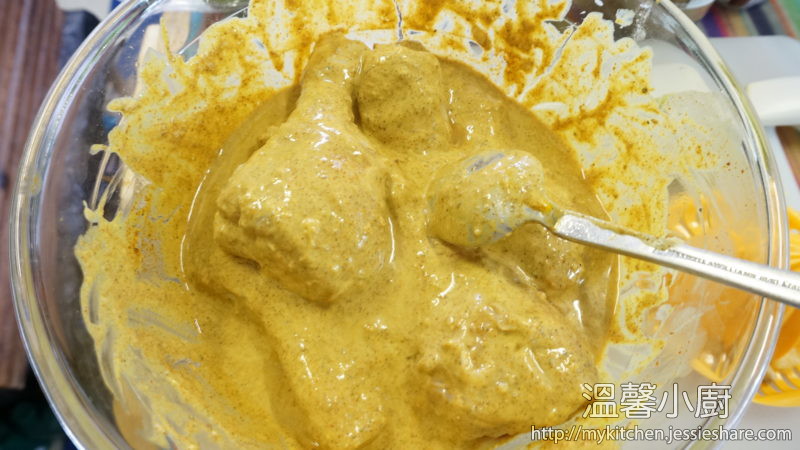
5. 把醃好的雞肉放入剛混合好的大碗內,用手把雞肉及醬料伴勻
Put all the chicken into the large mixing bowl and well mix all the sauce with chicken by hand


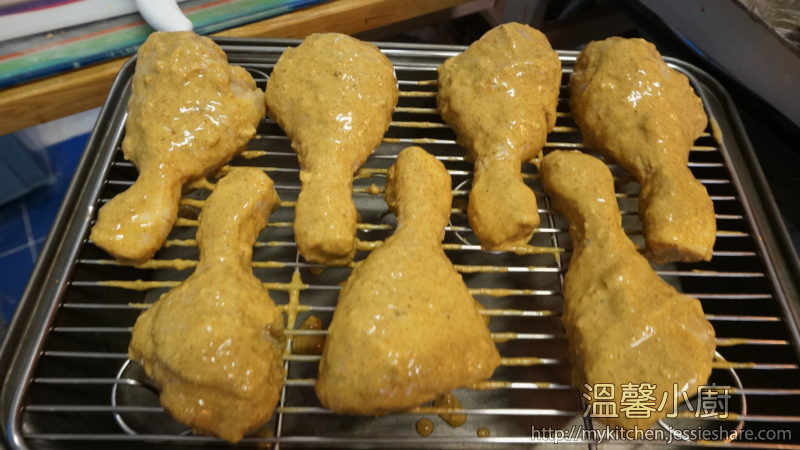
6. 把伴勻的雞肉放在焗盤上,放入焗爐烤30分鐘
Put the mixed chicken into the baking tray and roast it for 30 minutes


7. 準備一個平底鍋,把洋蔥片先炒一下,再把焗好後的剩餘醬料倒加入,再炒至洋蔥軟身
Prepare a sauce pan, stir the onion slices a little bit, then put the cooked sauce into the pan and stir well until onion becomes soft


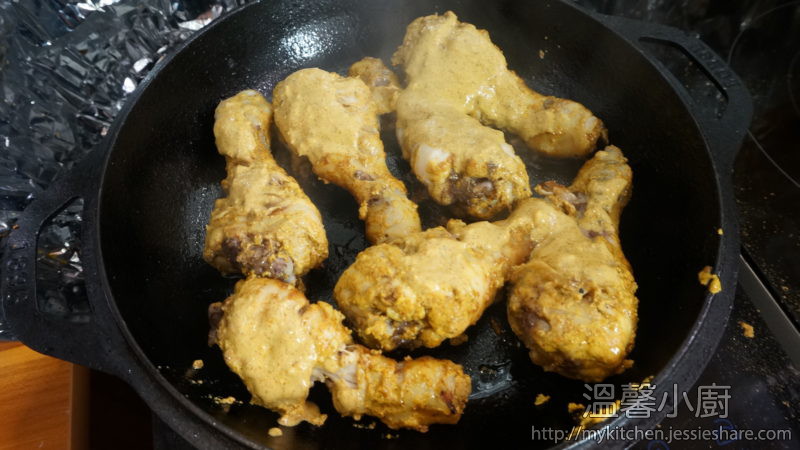
8. 再加入焗好的雞肉大火略煎至金黃,最後加入青檸汁就完成。
Then Add the chicken into the pan and grill the chicken until brown in surface, add lime juice and fresh coriander, finished.


[wpedon id=”1981″ align=”left”]


Posted in 豬肉 (Pork), 日本料理 (Japanese Cuisine)

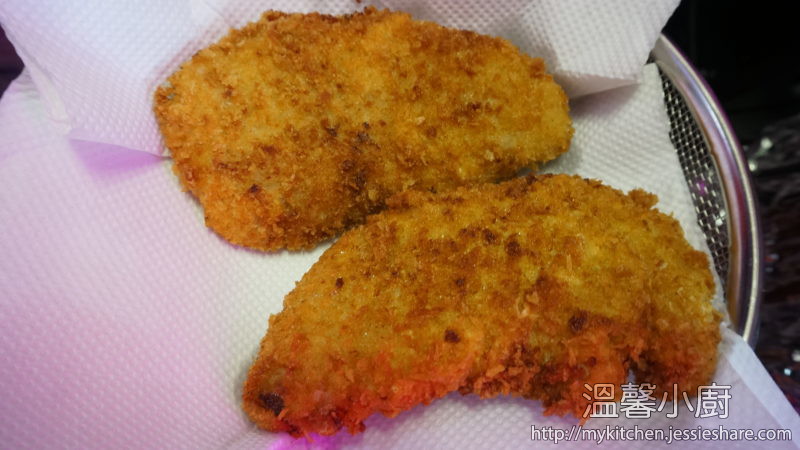
[原創食譜 Original Recipe] 日式咖喱配吉列豬扒 (Japanese Curry with Deep Fried Pork Chop)


作者將會分享一些簡單的食譜,希望大家喜歡吧。

I will share some more simple recipes starting now, hope you would like it too.


今次先分享日式豬扒咖喱,雖然日式咖喱也可以自己煮,但作者也覺得實在太麻煩,亦由於作者只得小倆口,買一盒也可以用三次,買現成回來也只不過二十多元,所以買比較性價比高吧。

I will share how to cook Japanese curry with deep fried Japanese pork chop this time, but I don’t think it’s good make your own curry brick since the price is cheap for instant one, and for me I can cook for 3 times for a pack, that’s why I don’t recommend to make your own one.


材料 (Ingredients) :


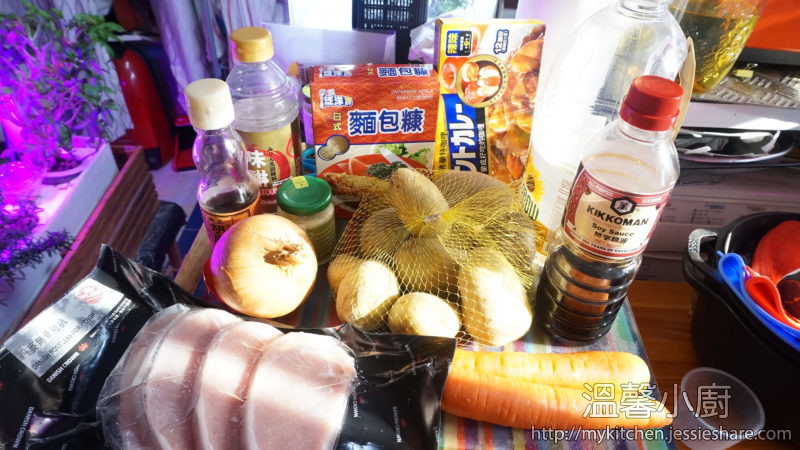
無骨豬扒 (Boneless pork chop) – 4件 (4 pcs)

味琳 (Mirin) – 2湯匙 (2 tablespoons)

麻油 (sesame oil) – 1湯匙 (1 tablespoons)

日本醬油 (Japanese soy sauce) – 1湯匙 (1 tablespoons)

蒜蓉鹽麴 (Garlic Shio Koji) – 3茶匙 (3 tablespoons)

雞蛋 (chicken egg) – 2隻 (2 pcs)

麵粉 (flour) – 80g

日式麵包糠 (Japanese bread crumb) – 1包 (1 pack)

日式咖喱磚 (Japanese Curry brick) – 4磚 (4 pcs)

紅蘿蔔 (carrots) – 2個 (2 pcs)

薯仔 (Potato)  – 2個 (2 pcs)

洋蔥 (onion) – 1個 (1 pc)

菜油 (vegetable oil) – 2湯匙 + 200ml (2 tablespoons + 200ml)

水 (water) – 500ml


做法 (Method) :


1. 豬扒先在筋位不同位置輕輕𠝹開幾刀,以免在炸豬扒時卷曲
Cut different positions of the edge of pork chop to avoid its being cured when deep frying


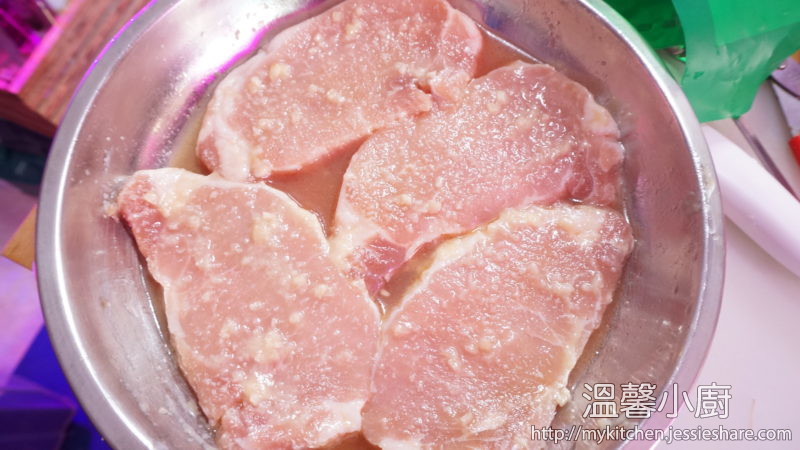
2. 用味琳、麻油、日本醬油、蒜蓉鹽麴醃肉一段時間
Seasoning pork chop with mirin, sesame oil, soy sauce and garlic shio koji and set aside


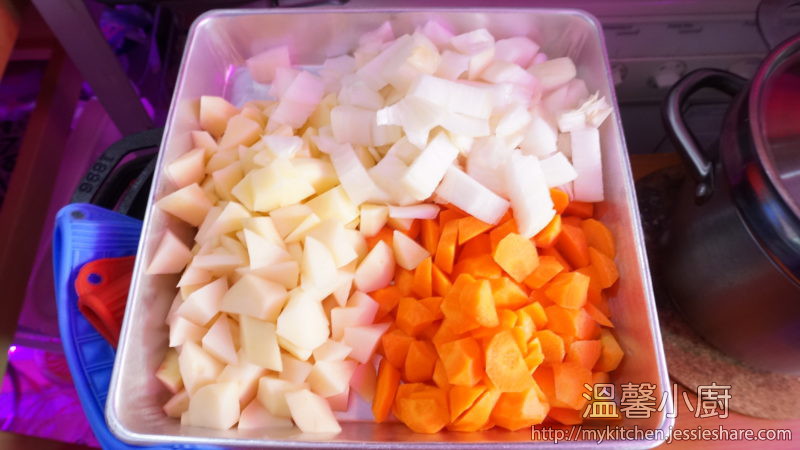
3. 把紅蘿蔔、薯仔及洋蔥切成小粒
Cut all carrots, potato and onion into small chunks


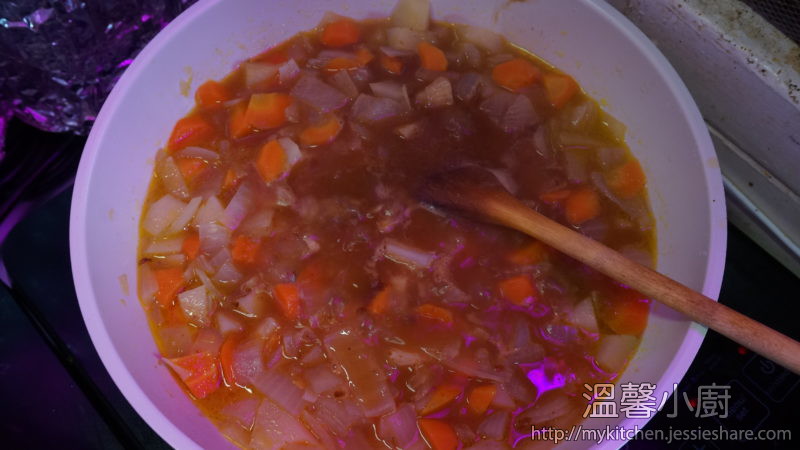
4. 準備一個鍋,下油,把所有蔬菜粒用大火炒5分鐘
Prepare a pot, add some oil, and put in all veggies and stir fry until high heat for 5 minutes


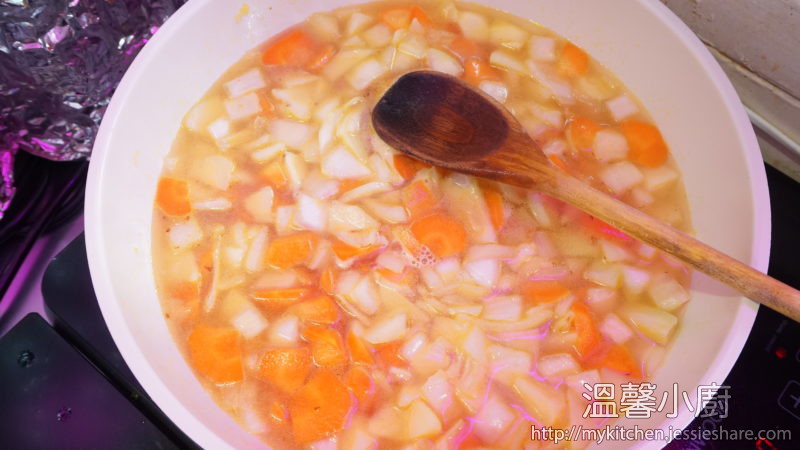
5. 加入水,至蓋過所有材料,水滾後,轉小火煮15分鐘
Pour in water and cover all the veggies, boil it and change to small heat, cook for 15 minutes


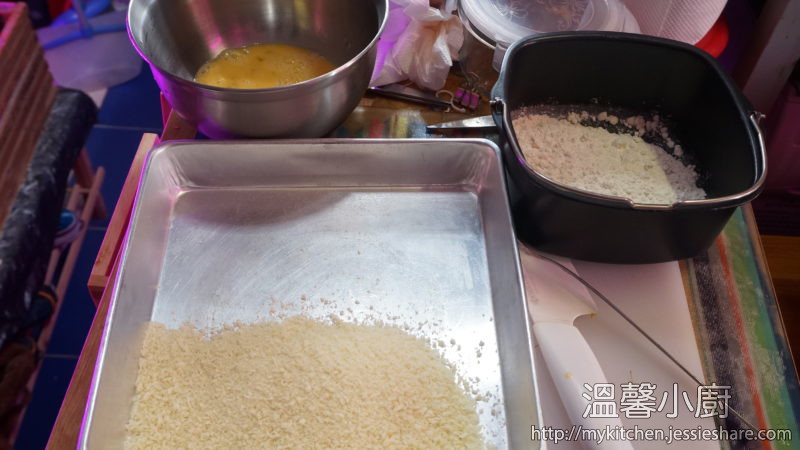
6. 準備幾個小碟,分別倒入麵粉、麵包糠及雞蛋
Then, prepare a few plates, put flour, bread crumb and eggs in separate plate


7. 雞蛋打勻,但不要發得太耐,均勻就停止
beat the egg evenly with thick texture


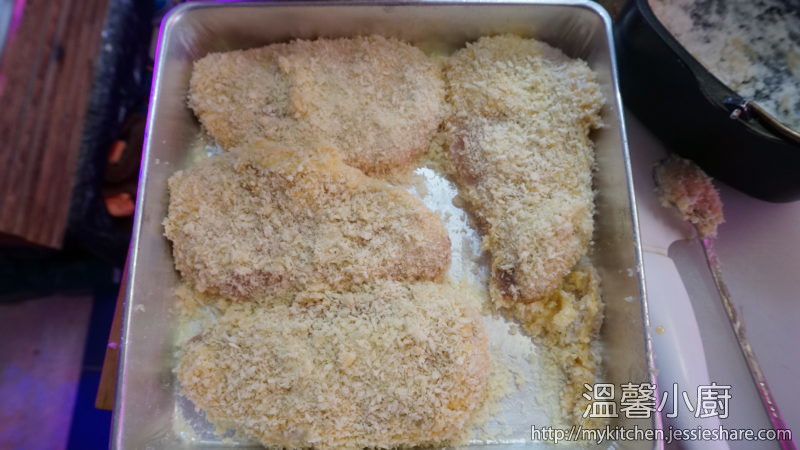
8. 把豬扒有次序地平均地粘在豬扒上 : 麵粉–>蛋漿–>麵包糠
Put the pork chop and coat the ingredients in sequence : flour –>egg wash –> bread crumb


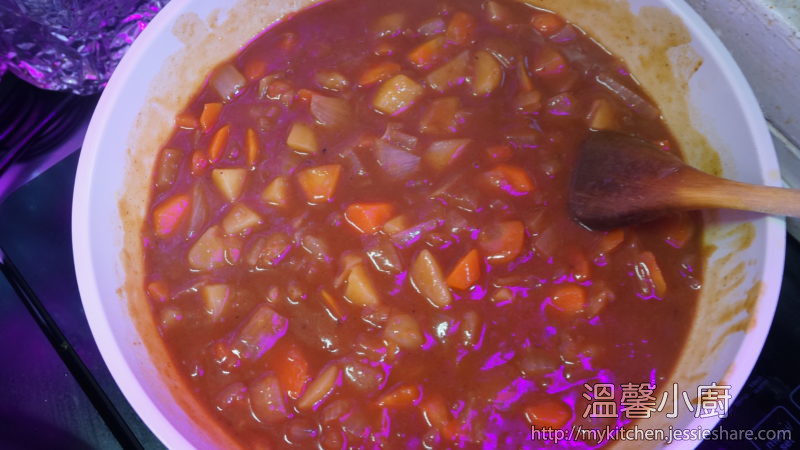
9. 回到咖喱,15分鐘後加入咖喱磚並攪拌至咖喱磚完全溶解,再繼續小火煮多5-10分鐘至自己喜歡的濃縮度
Back to the curry, put the curry bricks into veggies soup, stir it until completely melted,  and continue to cook 5-10 minutes until the consistency you like


10. 準備一個小鍋,倒入菜油,開大火至油熱
Prepare another small pot, pour lots of oil, turn to high heat until oil is hot enough


11. 油熱後,轉中火,待油溫降一點點後,小心地放入豬扒
When the oil is hot enough, then turn to medium heat and let the oil heat down a bit, then put the pork chop in carefully


12. 待一會後翻轉,大約炸7-8分鐘,當表面轉為金黃色就撈起
don’t forget to turn it over for sometimes, and continue deep frying around 7-8 minutes until little bit golden brown and take out


13. 用廚房紙吸收多餘油份及待涼一點就可以切成小件。
Use kitchen paper to absorb excess oil, let it cool down a bit and cut into small pieces.


[wpedon id=”1981″ align=”left”]
Posted in 肉類 (Meat), 豬肉 (Pork), 麵包機 (bread Machine), 麵條機 (Pasta Maker), 日本料理 (Japanese Cuisine), 湯底 (Stock)

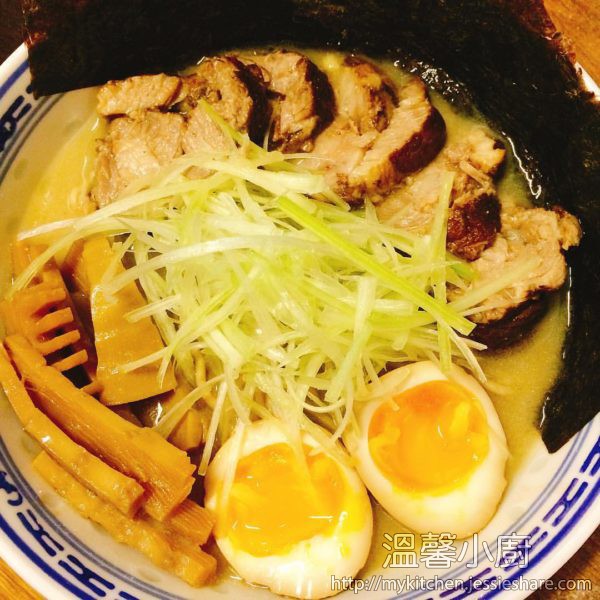
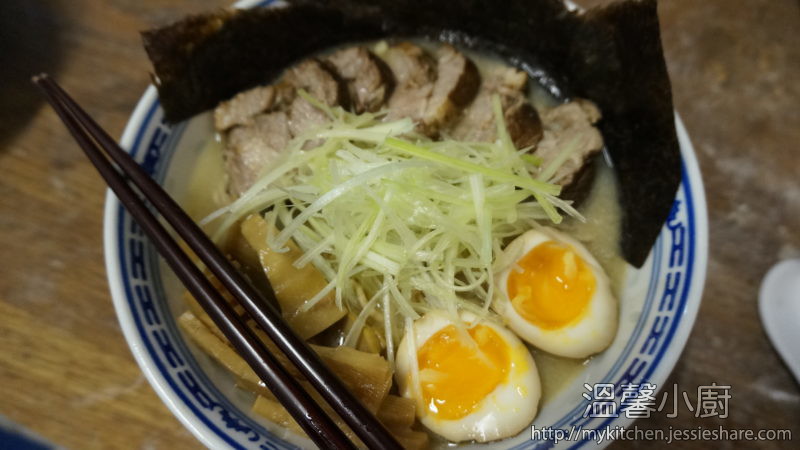
日式叉燒味噌拉麵 (Japanese Cha Shu Miso Ramen)


為何要分享這食譜,除了日式叉燒可以自己做外,不是買現成拉麵包回來就可以嗎? 老實說,作者分享得的,一定不會這麼簡單吧! 作者這個食譜可以說是大師級餐廳的作品,不是一般家庭會做的;所以讀者要有心理準備,要跟這個食譜,要預早一天準備,一定會很繁複及需要很長的時間製作,一定要耐心地去做。第一、二部份及日本高湯需要預早一天做好並存放在雪櫃内,其餘部份則在享用當天才做。

You may ask me why I need to sharing this recipes, other than Japanese Cha Shu, we can buy instant ramen noodle with soup in supermarket, it’s so simple, right? Of course, NOT! for me, I will not recommend you to buy instant food in the market, it’s all MSG, especially those instant soup powder.  This recipe I’m sharing, if you can make it, you will becomes a master chef of ramen, this is what you can enjoy in Japanese noodle restaurants.  Although it’s really complicated and may take you 2 days for preparation, so you have to patient for doing so.  You have to take 1 day in advance for prepare part 1 & 2 and Dashi soup, then you can prepare the rest parts on the second day.


第一部份 ~ 醃竹筍 (Part 1 ~ Pickled Bamboo Shoot)


最簡單的,是配菜的醃竹筍,作者本也是想買現成的,但見包裝註明上有很多人工添加劑後就卻步了,最後決定自己製作,但這個只做一次就可以用很久了。

This is the most easiest part in this recipes.  Originally, I wanna buy a pack from supermarket, unfortunately when I saw the ingredients of the pack, it’s really make me mad, it’s too much additional flavouring and MSG, so I finally decided to make it myself too.  You can make it batch and keep in refrigerator for later use too.

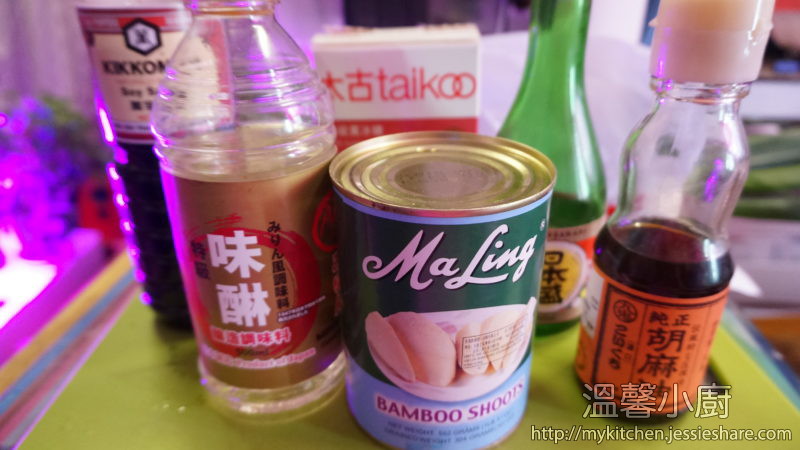
材料  (Ingredients):

竹筍 (Bamboo shoot) – 1個 (1 pc)

日本醬油 (Japanese light soy sauce) – 2 湯匙 (2 tablespoons)

味琳 (Mirin) – 2湯匙 (2 tablespoons)

日本清酒 (sake) – 2湯匙 (2 tablespoons)

麻油 (sesame oil) – 1湯匙 (1 tablespoon)

糖 (sugar) – 1茶匙 (1 teaspoon)

日本高湯 (Dashi) – 200 ml (see below)


做法  (Method):


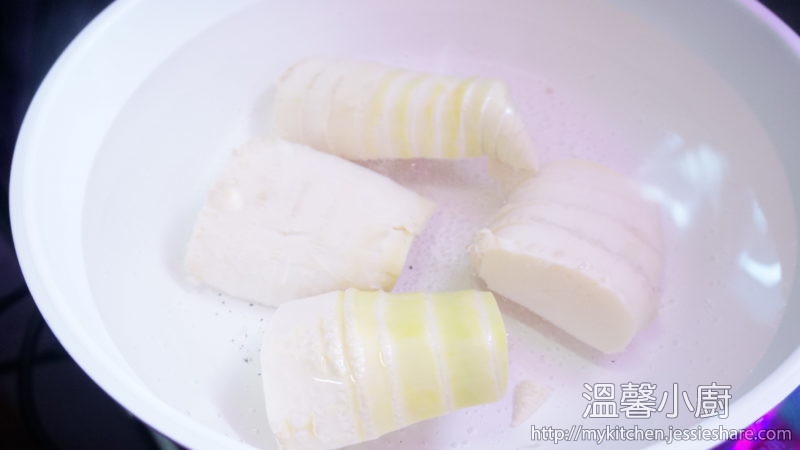
1. 竹筍先汆水(作者所住的地方沒有新鮮的,只好買來清水竹筍,但卻節省不少功夫。如果讀者買新鮮的,那就需要反覆浸泡及汆水幾次才清除苦澀味),瀝乾後切成小薄片,備用
Prepare a small pot, boil some water, put the bamboo shoot and boil it for 10 minutes.  (Since I can’t find fresh bamboo shoot nearby, I just buy canned one, if you are using fresh one, please reboil it for few times to get ride of bitter taste), then cut it into small pieces and set aside.


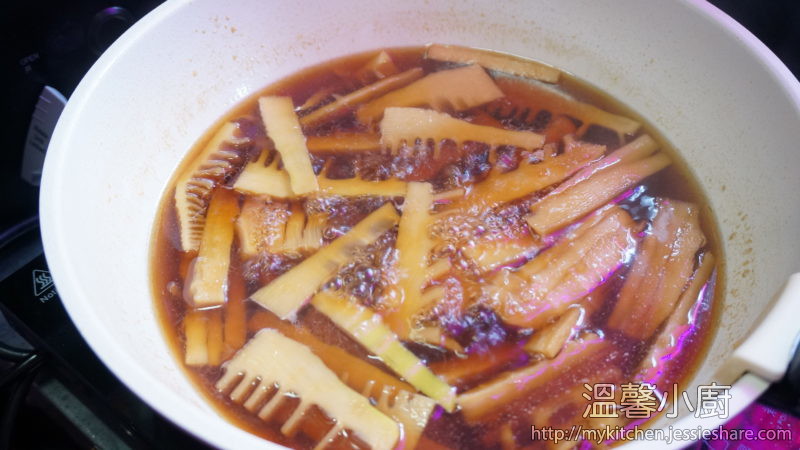
2. 準備一個鍋,加入日本高湯、日本醬油、味琳、麻油及糖,大火滾起轉為小火煮10分鐘
Prepare another pot, pour in Dashi, soy sauce, mirin, sesame oil, sugar and boil it for 10 minutes


3. 再加入竹筍再煮多10分鐘
Then add bamboo shoot in and boil more 10 minutes


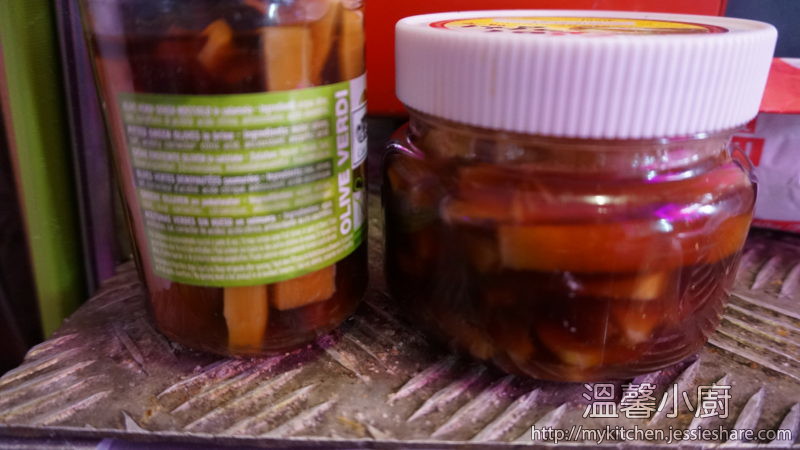
4. 放涼後,倒入瓶內,可以放入雪櫃存放
Let it cool down and put into a jar, then refrigerate it overnight.


第二部份 ~ 日式叉燒及半熟蛋 (Part 2 – Japanese Cha Shu and Half-cooked egg)

材料  (Ingredients):


大型豬腩肉 (Large Pork Belly) – 1 件 (1pc)

雞蛋 (egg) – 2隻 (2 pcs)

日本醬油 (Japanese soy sauce) – 4湯匙 ( 4 tablespoons)

老抽 (Dark soy sauce) – 1湯匙 (1 tablespoons)

味琳 (Mirin) – 4 湯匙 (4 tablespoons)

糖 (sugar) – 1 湯匙 (1 tablespoon)

日本清酒 (sake) – 4湯匙 (4 tablespoons)

日本高湯 (Dashi) – 500ml

蔥 (green onion) – 1條 (1 pc)

薑 (ginger) – 3片 (3 slices)

蒜頭 (garlic) – 3瓣 (3 cloves)

橄欖油 (olive oil) – 3湯匙 ( 3 tablespoons)


做法 (Method):


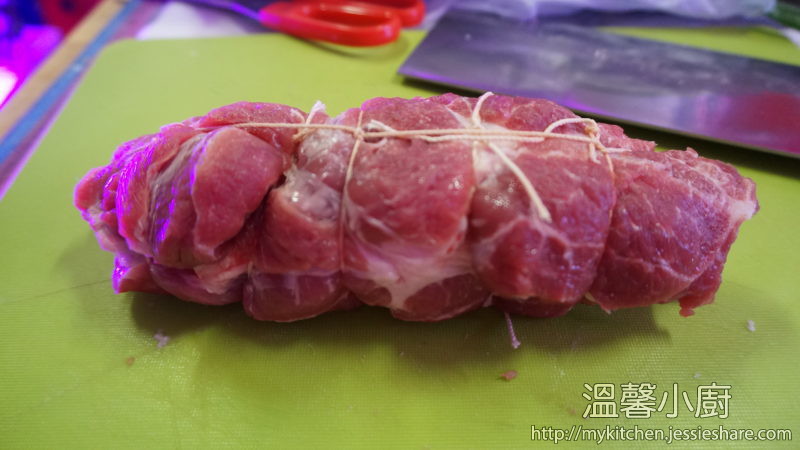
1. 把豬腩肉卷成圓型,然後用綿線紮好
Make a pork belly roll and use butcher’s strings to knot it into shape


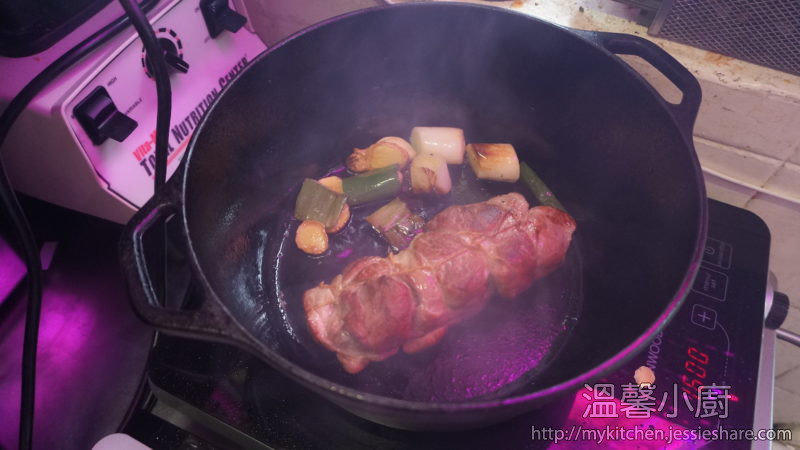
2. 準備一個鍋,下油,加入蔥段、薑片及蒜頭炒香,把紮好的豬肉大火煎封四週把肉汁鎖住
Prepare a pot, add oil in, put green onion, ginger and garlic, then stir a bit, then seal the meat in high heat


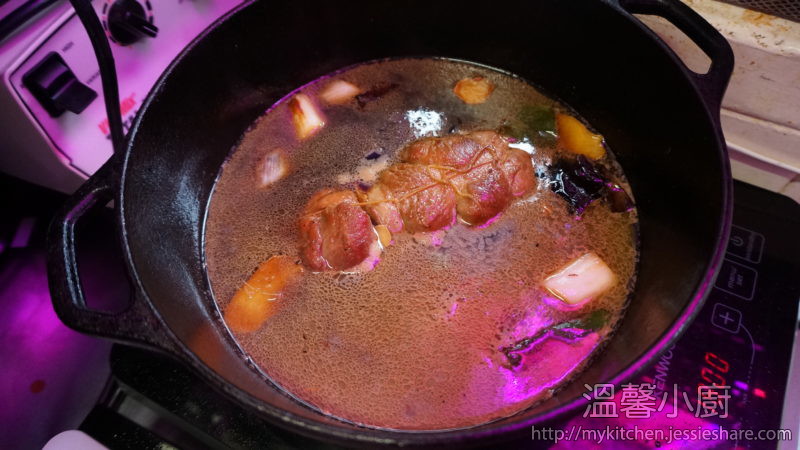
3. 然後加入日本醬油、味琳、冰糖、清酒及水,水量是要蓋過豬肉卷,調好自己喜歡的味道,滾起後轉細火,蓋上,慢煮1小時
Pour all the seasonings in, make sure cover the meat, bring it boil and taste first, then turn into low heat and lid on, cook for one hour.


4. 準備另一個小鍋,煲一鍋水,雞蛋在寬身那邊,在中間用小針穿一個小洞,水滾後把雞蛋小心地放入滾水內煲6分鐘。如果讀者只想要半熟蛋,不是鹵水蛋,這個及下一個步驟就可以食用當日才做。
On the other hand, prepare another small pot, make a very small hole on the bottom of the egg using needle, then boil some water,  put the egg in gently and boil it for 6 minutes (If you just want a half-cooked egg without sauce, you can do this step 4 and 5 later when you take your meal on that day).


5. 同時準備一碗冰水,把煲好後的雞蛋立即撈起放入冰水內,5分鐘後撈起並小心地退殼
Meanwhile, prepare a cold water, put the boiled egg in immediately, then get out the egg shells when cool down.


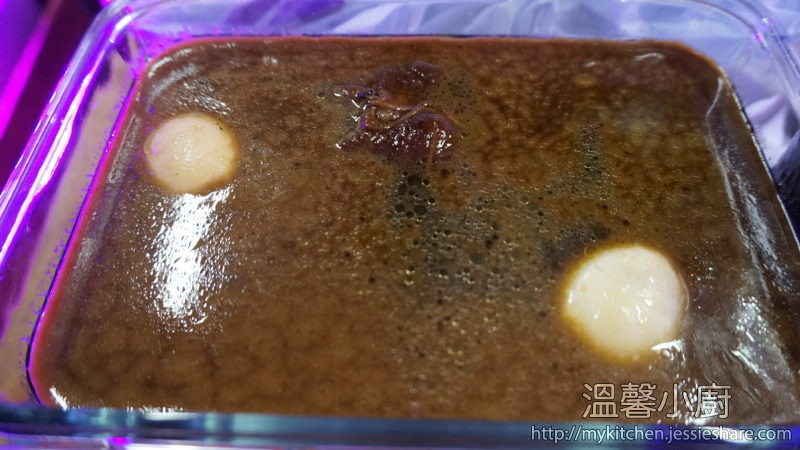
6. 把煮好的豬肉,半熟蛋連調味汁放入儲存的器皿內,放涼後就可以放入雪櫃存放。
When the pork belly is cooked, cool down and put the pork belly, half-cooked egg and the sauce into a container, then refrigerate it overnight


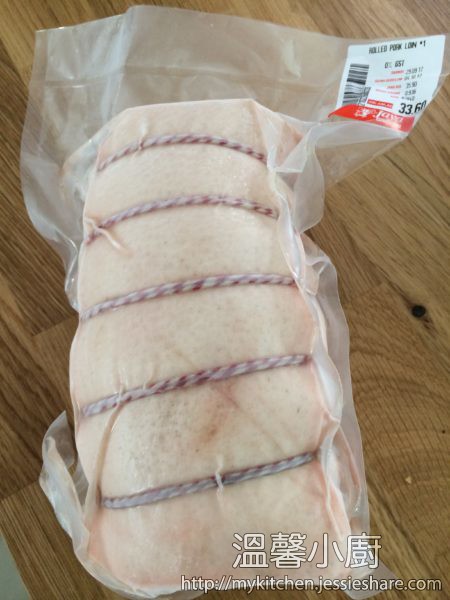
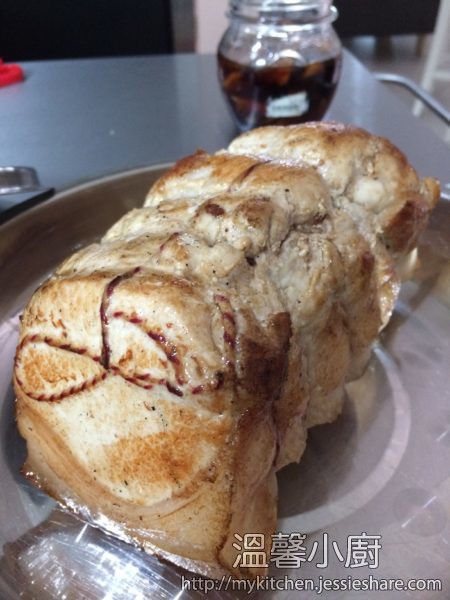
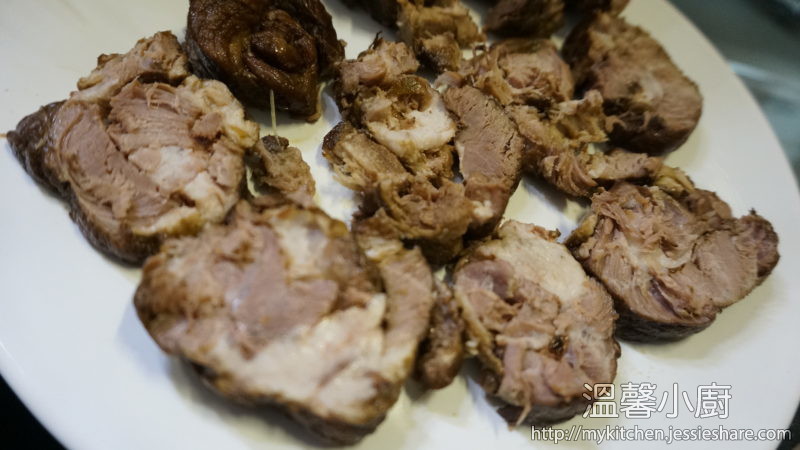
後加記錄 : 作者在馬來亞西的超市找不到大塊的豬腩肉,但卻有一大舊的豬扒肉出售,所以作者亦作新嘗試,這次用了低溫慢煮的方法,由於是用上有機豬肉,所以出來的效果反比豬腩肉優勝得多。

p.s.  : I can’t find pork belly in supermarket Ipoh, but I’ve found  pork loin instead, so I tried to this for making Japanese Cha shu instead and using sous vide method, finally, it came out better a lot than pork belly here.

做法 (Method):


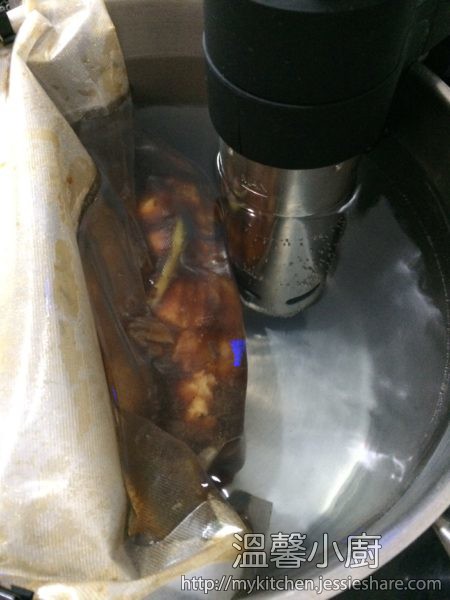
1. 先預熱慢煮棒至60度
Preheat your sous vide circulator to 60 degree celsius


2. 然後煮一鍋醬汁 (材料如上),滾起後待涼備用
Then, cook for the marinated sauce (ingredients as above), stop it until the sauce is boiled, let it cool down and set aside


3. 先用大火煎封表面四週
Sear the surface of the meat in high heat


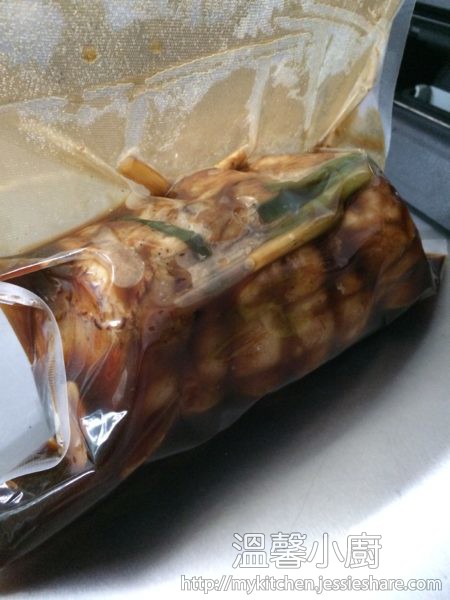
4. 把煎封好的豬扒肉及醬汁真空
Then put the seared meat with sauce in the bag and vacuum it


5. 開始低溫慢煮8小時
Cook for 8 hours


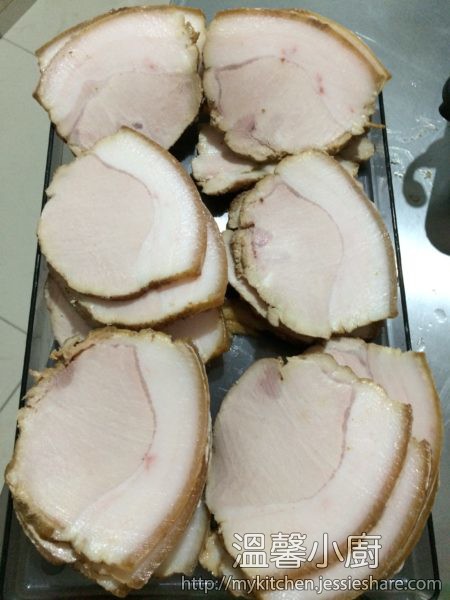
6. 煮好後,放涼,連袋一起放入雪櫃一晚,第二天切件就可以了
Let it cool down after cooked, then put it in the fridge for a night with vacuum bag, then slice it in pieces in next day.


第三部份 ~湯底 (Part 3 – stocks)

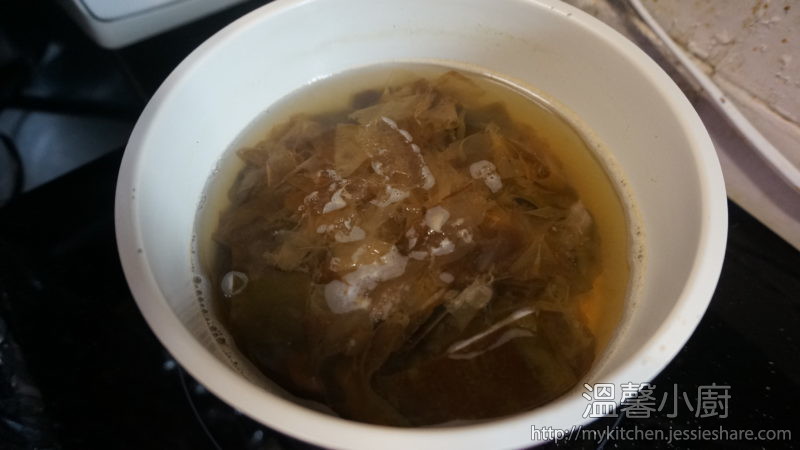
湯底一 ~ 日本高湯 (stock 1 – Dashi)

材料  (Ingredients):

柴魚碎 (Shaved dried bonito)

乾昆布 (Konbu)

水 (water)


做法 :


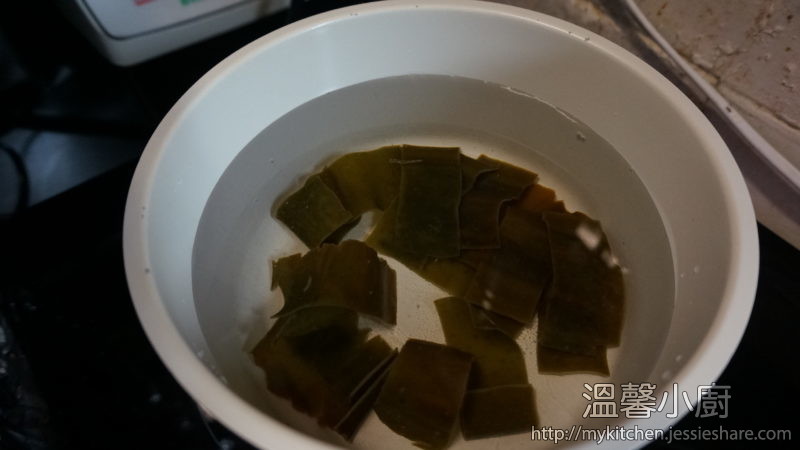
1. 把昆布用濕布抺走塵埃,再剪成小塊
Use wet towel to clean the surface of konbu, and cut into small pieces


2. 準備一個小鍋,煲滾水後,放入昆布碎再煮多30分鐘
Prepare a small pot, boil some water, then put in the konbu pieces and cook for 30 minutes


3. 放入柴魚碎煮多10分鐘
Then put the dried bonito in and cook 10 minutes more


4. 過濾所有材料,高湯備用
Filter the ingredients and get the dashi soup stock


湯底二 ~ 雞湯 (請參考舊文 : http://mykitchen.jessieshare.com/?p=503) [Stock 2 – Chicken stock, please reference in above)


或可以用低溫慢煮方法,把所有材料連開水放入袋中,用anylock封好再封口,以82度煮12小時。

You can also using sous vide method, put all the ingredients and boiled water into the bag, use anylock to prevent water come out and seal it, then cook the stock in 82 degree Celsius for 12 hours


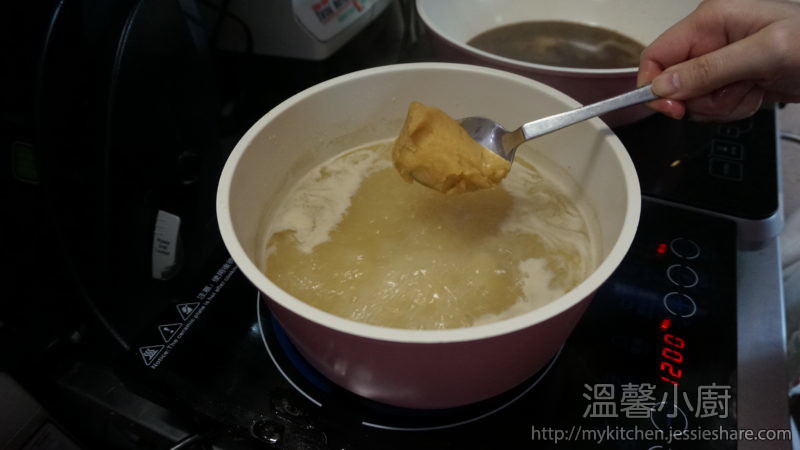
湯底三 ~ 味噌湯 (Stock 3 – Miso soup)

材料  (Ingredients):

日本高湯 (Dashi)

雞湯 (Chicken stock)

白味噌 (white Miso)


做法  (Method):


1. 倒入日本高湯及雞湯煮滾
Pour in Dashi and chicken stock and bring it to boil


2. 再加入味噌,攪勻及煮多5分鐘 (加入味噌後不要煮得太久,否則變酸)
Add Miso paste into the stock and mix it well, and cook more 5 minutes (only 5 minutes, otherwise the white miso will becomes sour taste)


第四部份 ~拉麵 (2-3人分量) (Part 4 – Ramen Noodles ~ 2-3 pax)

材料  (Ingredients):

高筋麵粉 (strong flour) – 155g

低筋麵粉 (cake flour) – 75g

黑麥粉 (Rye flour) – 20g

梳打粉 (Baking soda) – 3g

水 (Water) – 100g

鹽 (salt) – 3g


做法  (Method):


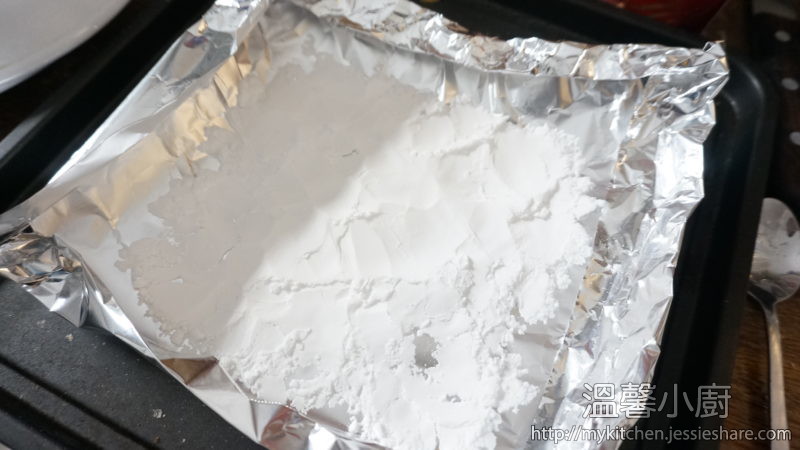
1. 先做食用鹼水(如果讀者買到現成的就可逃過這步驟) ,準備焗爐盤,放上焗爐紙,打梳打粉平均地灑在盤上,用120度烤1小時,取出放涼,每100g水加3g焗好的梳打粉攪勻就可以了。
If you already have alkaline water, you can skip this step.  First we make alkaline water first , prepare the baking tray, put the baking soda evenly, and baking it for an hour using 120 degree celsius, after baked, let it cool down, then use a small cup, mix the baked baking soda with 100g water and set aside


2. 另外準備平底鍋,用細火把黑麥粉乾烘至香味發出(香氣一出就要關火,免得烘焦),待涼
Prepare a sauce pan, toast the rye flour until you can smell fragrance, then let it cool down and set aside


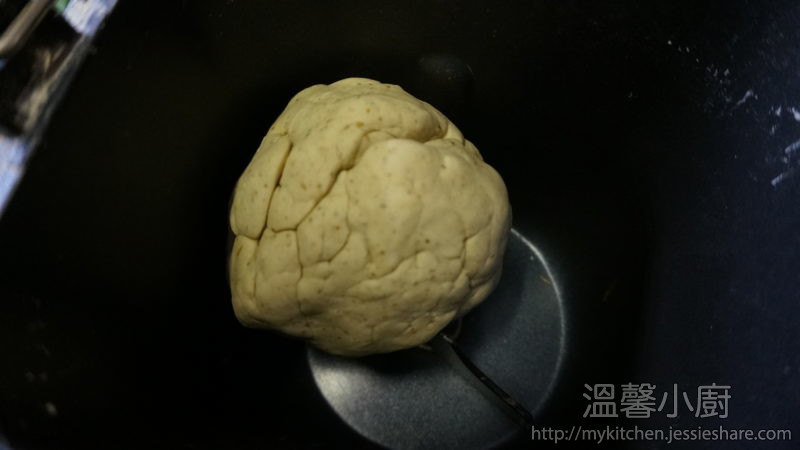
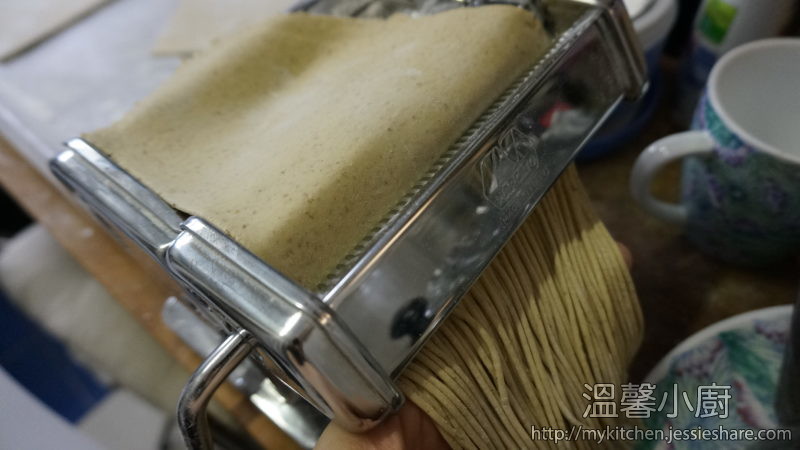
3. 把所有材料放在麵包機或人手搓成麵糰後,讓麵糰休息1小時
You can either handmade or put all the ingredients into bread machine to make a dough and let the dough rest for an hour


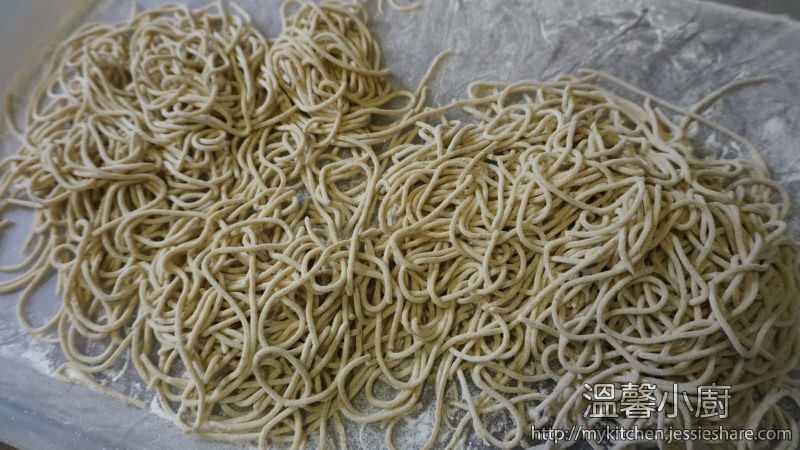
4. 可用麵條機或人手切成麵條就可以了
Then, you can use pasta machine or hand cut to cut into noodles


第五部份 ~ 合併 (Merge all Ingredients)

材料 (Ingredients) :

日式叉燒 (Japanese Cha Siu)

醃蛋 (Marinated eggs)

醃竹筍 (Marinated bamboo shoot)

味噌湯底 (Miso soup)

豬油 (pork fat)

雞油 (chicken fat)

拉麵 (Ramen)

紫菜片 (Seaweed pieces)

芝麻 (sesame)

大蔥或小蔥 (green onion or spring onion)


做法 (Method):


1. 先把前一天做好的日式叉燒、醃蛋及醃竹筍放在至室溫
Take back the marinated Cha Siu, eggs and bamboo shoot into room temperature


2. 準備小鍋,把倒入叉燒調味汁,再煮滾
Prepare a small pot, pour in the marinated sauce and let it boil


3. 先把叉燒取出,解繩及切片,之後最好微溫蒸熱叉燒,或用浸過的醬油翻滾後把叉燒來回熨幾次,不然變凍食了
Take out the Cha Siu and cut into pieces, then pour the sauce into Cha Siu for several times, otherwise it will like cold cut


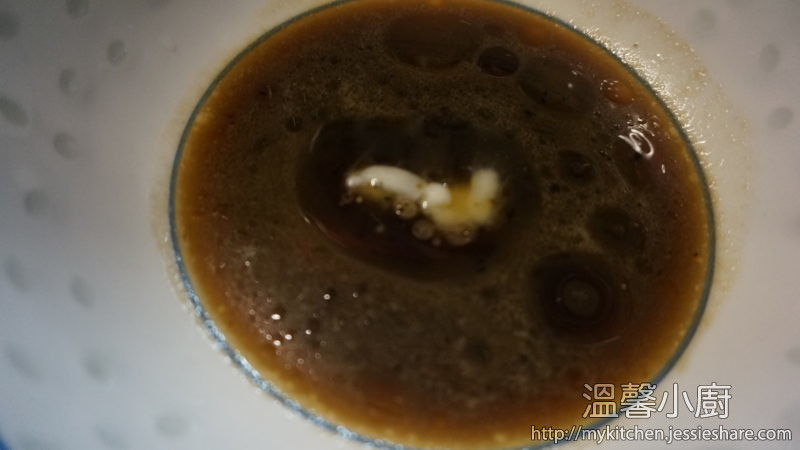
4. 把醃蛋切半
Cut the marinated egg into half carefully


5. 準備一個大碗,先把雞油、豬油放入最底層
Prepare a bowl, put some chicken fat and pork fat in the bottom


6. 倒入少量加熱了的叉燒調味汁
Then pour in some marinated sauce


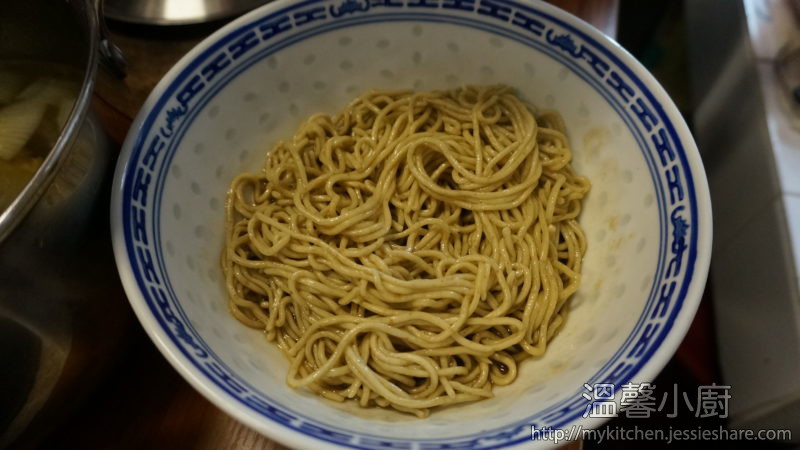
7. 放入煮好了的拉麵
Put the noodle on


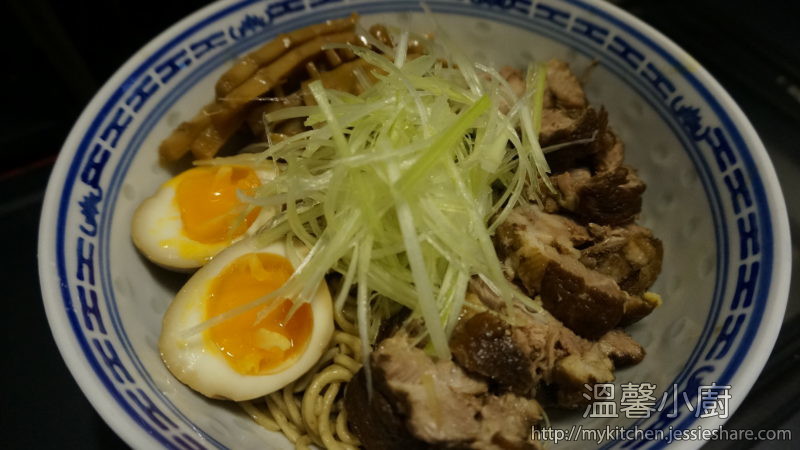
8. 把叉燒、蛋、醃竹筍放最上層
Put Cha Siu, marinated egg, marinated bamboo shoot on the top


9. 倒入味噌湯底
Pour in Miso soup


10. 放入紫菜、芝麻、大蔥就完成了。
Add seaweed pieces, sesame and green onion, finished.


[wpedon id=”1981″ align=”left”]